Brewery Lautering Enzyme Supplier for Sticky Mash and Slow Runoff
Enzymecraft is a brewing enzyme supplier for craft breweries that need cleaner runoff, steadier mash performance, and fewer production-day surprises when the grist gets difficult.
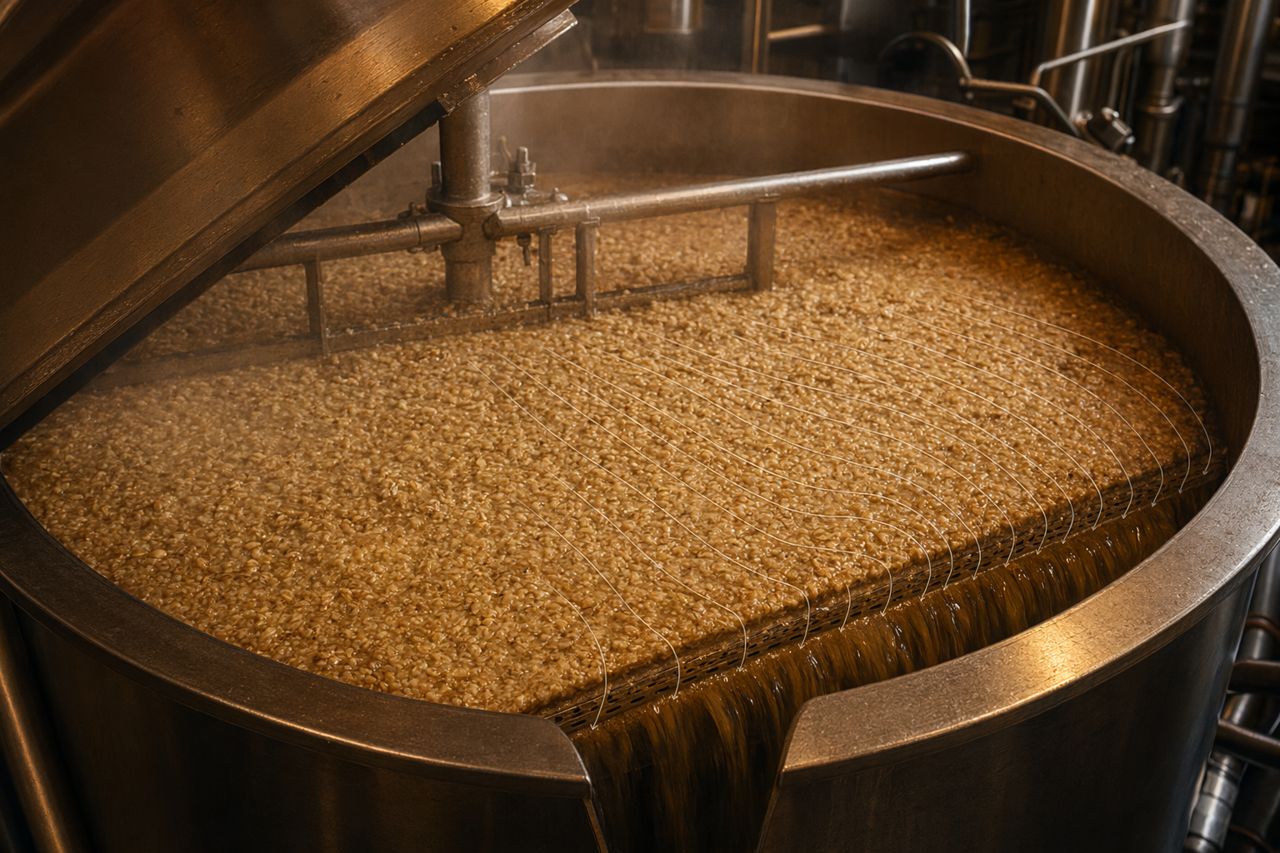
Oat-heavy hazies, rye IPAs, wheat beers, adjunct lagers, and recipes using unmalted grain can deliver great flavor and mouthfeel. They can also load the mash with beta-glucans, arabinoxylans, and other viscosity-building materials that slow the lauter, hold back extract, and push brewers into long, stressful runoff windows.
Our lautering enzyme support is built for working breweries: practical selection, recipe-aware guidance, and clear production thinking around wort flow, fermentability, yield, and flavor protection.
Built for brewers dealing with sticky mash conditions
Slow runoff is rarely just an inconvenience. It can create a chain reaction across the brew day:
- Longer vorlauf and runoff times
- Reduced brewhouse throughput
- Poor extract recovery from expensive grain bills
- Inconsistent original gravity
- Higher risk of cloudy wort carryover
- Knock-on delays into whirlpool, knockout, and cellar scheduling
- Recipe hesitancy when using oats, rye, wheat, or unmalted grains
Enzymecraft helps breweries choose enzyme solutions that target mash viscosity and filtration resistance without asking the brewer to compromise the beer’s intended body, malt expression, or flavor profile.
What lautering enzymes do in the mash
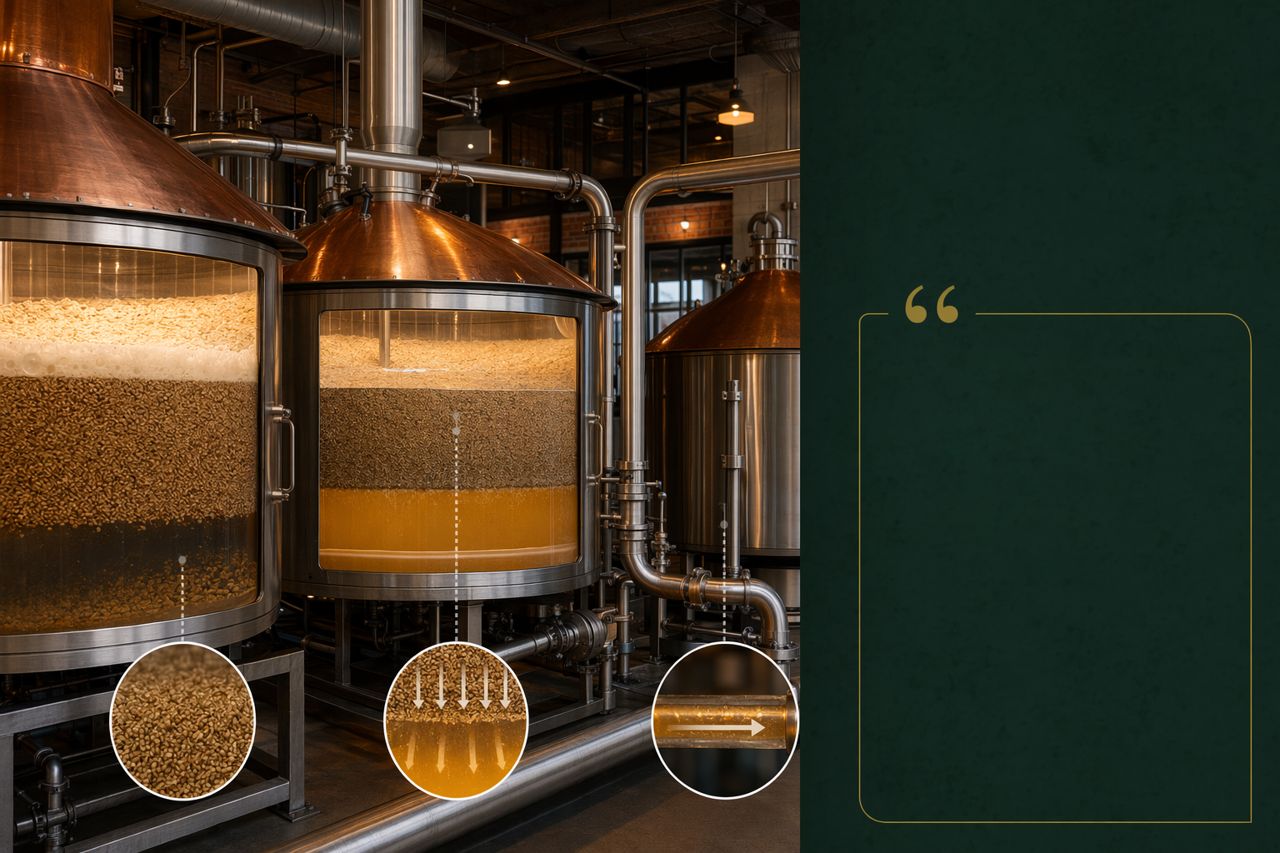
In difficult grists, the problem is often physical. Certain grain components hydrate and swell during mashing, increasing viscosity and tightening the grain bed. That makes wort move more slowly through the mash, even when mill gap, rake speed, water chemistry, and rest profile are otherwise sound.
A well-selected lautering enzyme can help break down viscosity-forming carbohydrates into smaller, more manageable fragments. For the brewer, the practical results can include:
- Faster wort separation
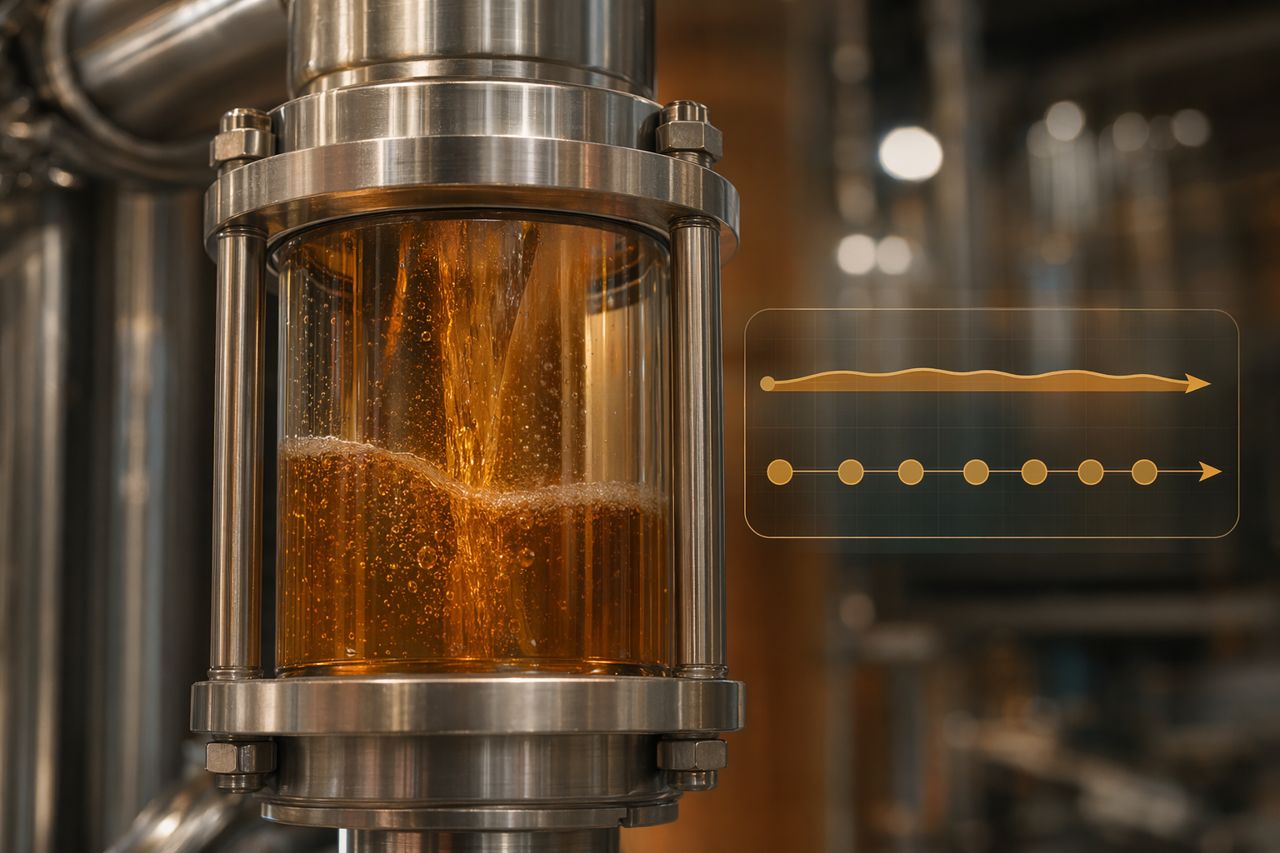
- More predictable runoff behavior
- Improved extract access
- Cleaner wort movement through the grain bed
- Reduced stuck mash risk
- Better consistency across repeat brews
The goal is not to erase the character of the grist. The goal is to keep the mash workable so the recipe can be brewed consistently at production scale.
Where Enzymecraft fits into your process
Enzymecraft works as a process-literate brewing enzyme supplier for craft breweries, not a generic ingredient vendor. We look at how the enzyme will behave in your real brewhouse conditions: grist design, mash schedule, lauter geometry, adjunct load, target beer style, and production constraints.
Common brewery use cases
- Hazy IPA grists with high oat or wheat inclusion
- Rye beers with slow runoff and dense grain beds
- Wheat beer production where lautering time varies batch to batch
- Adjunct lagers using unmalted grain or high adjunct percentages
- High-gravity mashes where viscosity limits extract recovery
- Breweries scaling pilot recipes into full production
- Facilities trying to protect daily brew count and cellar timing
Enzyme selection without over-correction
A sticky mash does not always need the same enzyme answer. Some breweries need viscosity reduction. Some need better extract release. Some need a more balanced approach that supports lautering while protecting foam, mouthfeel, and intended residual body.
Enzymecraft can help align the enzyme choice with your production goal:
For runoff speed
Support wort flow through dense or gummy grain beds, especially where beta-glucan and pentosan load are creating filtration resistance.
For extract consistency
Improve access to fermentable and soluble material that may otherwise remain trapped in a tight mash bed.
For recipe flexibility
Brew with oats, rye, wheat, and unmalted grains more confidently without building every recipe around lauter limitations.
For brewhouse predictability
Reduce the batch-to-batch variability that turns similar grists into very different production days.
Protecting flavor while improving flow
Brewers are right to be cautious with enzymes. The wrong fit, or the right enzyme used without process context, can shift fermentability, thin the beer, alter balance, or move the finished profile away from the target.
Enzymecraft’s approach is practical and restrained. We focus on the performance bottleneck first, then help you evaluate the impact on:
- Wort clarity and separation
- Gravity consistency
- Attenuation behavior
- Mouthfeel and body
- Foam expectations
- Style intent
- Repeatability across production batches
The best lautering enzyme program should feel boring in the brewhouse: smoother runoff, steadier numbers, and fewer emergency decisions mid-brew.
Faceless 1-minute explainer video
Embed this short faceless explainer near the top of the page to show how Enzymecraft lautering support helps craft breweries manage sticky mash conditions without turning the page into a lab lecture.
Video placement suggestion: directly after the opening CTA, before “Built for brewers dealing with sticky mash conditions.”
What to include when requesting a quote
To help us recommend the right lautering enzyme direction, share as much of the following as you can:
- Beer style and target profile
- Grist percentages, especially oats, rye, wheat, or unmalted grains
- Mash schedule and general rest strategy
- Lauter tun or mash filter setup
- Typical runoff time and current pain point
- Original gravity target and actual range
- Whether the issue is constant or recipe-specific
- Any concerns around body, attenuation, clarity, or foam
You do not need to have the answer before you contact us. Bring the process problem; we will help narrow the enzyme path.
Why breweries choose Enzymecraft
- Brewer-to-brewer communication
- Enzyme guidance tied to mash and lauter performance
- Support for craft-scale and regional production needs
- Practical focus on yield, consistency, and schedule protection
- No unnecessary complexity or lab-heavy sales language
- Quote-based supply for production breweries
Request a quote
If sticky mash, slow runoff, or high-viscosity wort is costing your brewery time and extract, Enzymecraft can help you evaluate a lautering enzyme fit for your process.