Brewing enzymes for production breweries and the distributors who supply them
When a recipe leans on wheat, rye, oats, corn, rice or high-gravity wort, the brewhouse starts giving mixed signals: conversion runs late, the mash feels heavy, runoff slows and attenuation drifts from batch to batch. Enzymecraft supplies the enzymes that address those problems to production breweries, contract brewers, brewpub groups and brewing-supply distributors that buy for resale. Everything is supplied by quote; pack size, documents and delivery terms are confirmed per order.
Wholesale and bulk supply for breweries and resellers. Tell us the enzyme or the brewhouse problem, the quantity you expect to buy, and the destination country, and we come back with a recommendation and a quote. Request a quote
Who we supply
- Production and regional craft breweries buying for recurring brands
- Contract brewers and brewpub groups running several recipes on one brewhouse
- Homebrew and brewing-supply distributors and wholesalers buying to repack or resell
- Distilleries and beverage makers running grain mashes alongside beer
Which enzyme does which job in a brewery
Malt is itself an enzyme product: malting activates the grain's own amylases and proteases, and the strength of that activity is a large part of what makes one malt better than another. Industrial enzymes are added on top of that when production runs into a specific problem. The problems fall into four groups, and each has its own enzyme.
- Slow runoff and thick wort. Glucanase and other hemicellulases break down glucan and the other large, sticky molecules that slow filtration and raise wort viscosity.
- Haze and clarity. Protease, and in some programmes laccase, is used to improve the clarity of the finished beer.
- Slow yeast start. Protease is also used as a yeast promoter, to speed yeast growth and raise yeast activity.
- Grists that are not all barley. Fungal amylase and beta-amylase break starch down to maltose, and they are what made it practical to brew beer from grains other than barley, such as wheat.
On top of those four, glucoamylase is the tool for extra-dry and high-attenuation beers, and a high-temperature alpha-amylase handles the cooker when corn or rice goes in. In our own order book, brewers who buy glucoamylase most often add alpha-amylase to the same order, and the regular brewery picks are a high-temperature alpha-amylase powder and a liquid beta-glucanase.
| Production problem | Enzyme to ask for | Where it goes in | What it should change |
|---|---|---|---|
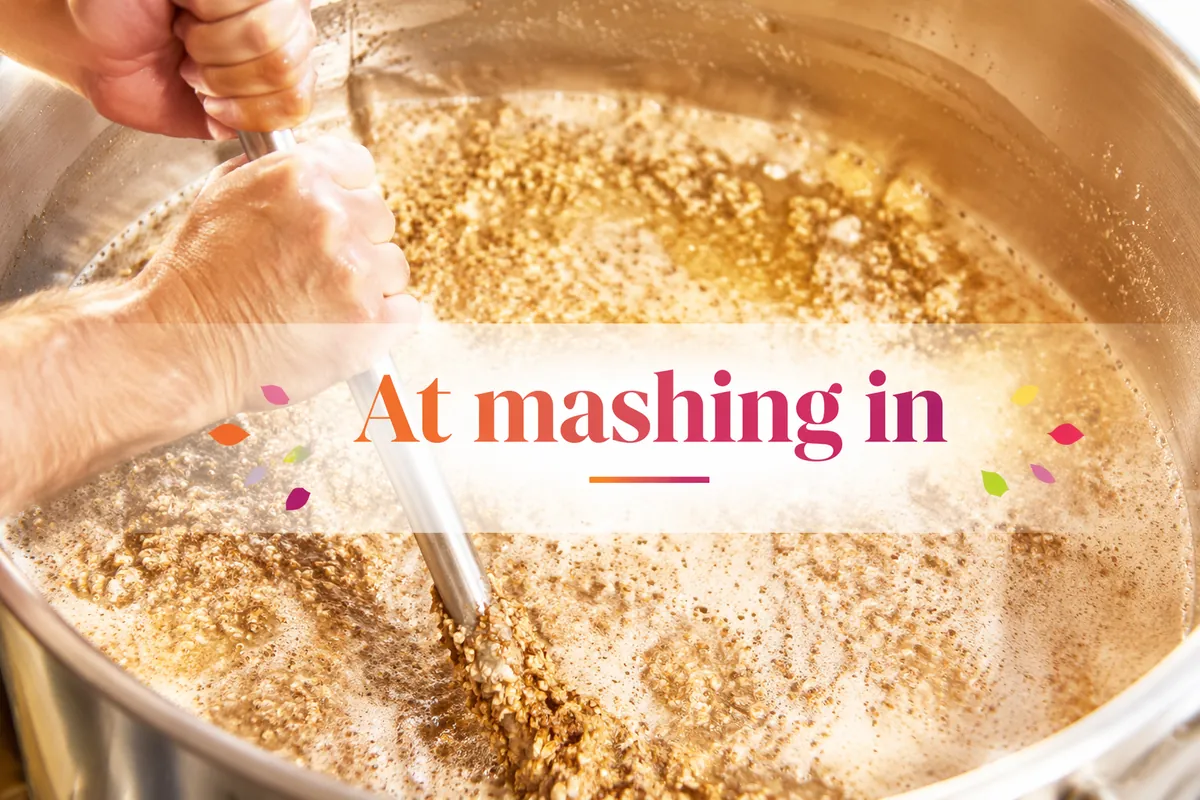
| Slow lauter, thick wort, filtration drag | Beta-glucanase or a hemicellulase blend | Mash-in | Lower wort viscosity, faster filtration |
| Haze in finished beer | Protease (laccase in some programmes) | Cold side, per supplier guidance | Better clarity |
| Sluggish yeast growth | Protease as a yeast promoter | Wort or pitching stage | Faster yeast growth, higher activity |
| Wheat or other non-barley grist | Fungal amylase or beta-amylase | Mash | Starch to maltose without relying on barley malt alone |
| Beer finishing too sweet for the style | Glucoamylase | Mash or fermenter | Lower final gravity, drier finish |
Common brewery problems we help diagnose
| What you see in production | What enzyme support may improve |
|---|---|
| Slow or incomplete conversion | More reliable starch breakdown and extract release |
| Stuck or sluggish runoff | Lower mash viscosity and improved wort separation |
| Adjunct beer feels unpredictable | Better process tolerance across mixed grists |
| Attenuation varies between batches | More consistent fermentable wort profile |
| High-gravity brew strains the process | Better conversion, flow, and extract recovery |
| Flavor feels over-processed | Shorter, cleaner process path with less corrective handling |
For distributors and resellers
If you sell into breweries, the questions your customers ask are the same ones above: which enzyme for which problem, at what point in the process, and how to tell whether it worked. We quote by enzyme type and pack, and we can match the product list to what your brewery customers are asking for. Send the list of enzymes your customers request, the expected quantity per order and the destination, and we reply with what we can supply and the terms.
How a quote works
- Send the problem or the product. Runoff, conversion, attenuation, clarity or a named enzyme.
- Add the numbers we need. Grist and adjunct share for a brewery; expected quantity per order and order frequency for a distributor; destination country for both.
- We reply with a recommendation and a quote. Pack size, documents and delivery terms are confirmed per order.
- Trial before you scale. We recommend one controlled batch against your current baseline before an enzyme goes into a core brand.
What to put in your inquiry
- Company name, country and whether you brew or resell
- Enzyme or problem: conversion, runoff, attenuation, clarity or yield
- Grist and adjunct percentage range (breweries)
- Expected quantity per order and how often you reorder
- Destination for delivery
Further reading
- Adjunct Sourcing for Small Breweries
- Brewery Process Documentation for Repeatable Brewing
- Craft Brewery Yield KPIs
- High-Adjunct Craft Beer Trends
- Lauter Tun vs. Mash Filter for Adjunct-Heavy Brewing
- Non-Barley Grains in Craft Brewing
- Oat-Heavy Beer Production
- Rice and Corn Adjunct Lagers
- Sticky Mash Troubleshooting
- Oxygen and Diacetyl Control in Craft Beer
Request a quote
Breweries: tell us what you brew, what the mash is doing and the quantity you expect to need. Distributors and resellers: tell us the enzymes your customers ask for, the quantity per order and the destination. We reply with a recommendation and a quote.