Slow mash conversion: choosing the right starch enzyme for the brewhouse
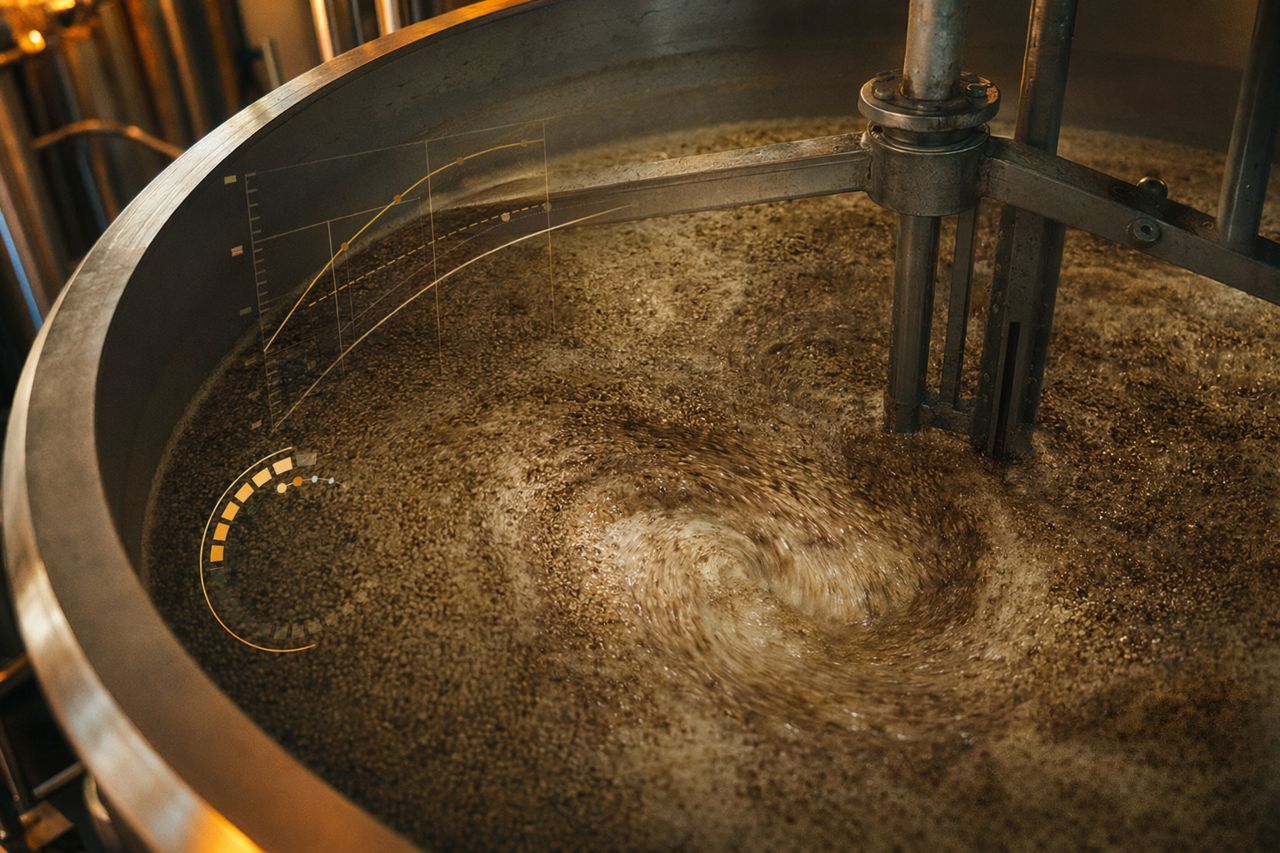
When mash conversion drifts, the whole brew day feels it: longer rests, lower-than-planned gravity, sticky runoff, variable attenuation and more adjustment downstream. Most of those cases come down to one choice that is easy to get wrong: which starch enzyme, at which temperature, at which point in the brewhouse. This page sets out that choice for head brewers, production managers and the purchasing teams and distributors who buy enzymes in bulk for them.
Bulk supply by quote for breweries and resellers. Send the grist, the adjunct share, the quantity you expect to buy and the destination, and we reply with a recommendation and a quote. Request a quote
Two starch enzymes, two places in the brewhouse
Starch enzymes for beer are made in two temperature classes, and they are not interchangeable.
A mid-temperature alpha-amylase works in roughly the 60-85 C band, which covers the mash rests a brewhouse already runs. In brewing it breaks starch down into sugars the yeast can use, shortens the brewing cycle, lowers viscosity and raises filtration speed. It is made from a selected Bacillus subtilis strain and is also used for starch sugar, alcohol and other fermentation industries, so one grade can be quoted to a brewery and a distillery alike.
A heat-stable alpha-amylase made for beer production is a different product. It is made from a Bacillus licheniformis strain and it is built to keep working at the high temperatures of a cereal cooker boiling corn grits or rice, well above the main mash. Its dose is tied to the adjunct, not to the whole grist: typically 0.02-0.05% of the adjunct's dry weight when adjuncts are used in brewing. Its working pH range is 5.0-9.0.
| Mid-temperature alpha-amylase | Heat-stable alpha-amylase (beer grade) | |
|---|---|---|
| Working temperature | About 60-85 C | Cereal-cooker temperatures, near the boil |
| Where it goes | Main mash, at the rest temperatures | Cereal cooker, with the adjunct |
| What it changes | Faster conversion, lower viscosity, faster filtration | Liquefies cooked adjunct starch before it meets the malt |
| How the dose is set | Per supplier guidance for your activity grade | Per adjunct dry weight, typically 0.02-0.05% |
| Production strain | Bacillus subtilis | Bacillus licheniformis |
Mistakes that cost a brew day
- Putting a mid-temperature grade into the cooker. At cooker temperatures it is above its working band, so the corn or rice comes out still thick.
- Dosing a heat-stable grade on the whole grist. Its dose is a share of the adjunct's dry weight, so a dose calculated on total grain overshoots.
- Comparing quotes by the word on the bag. Two products that both say alpha-amylase can sit in different temperature classes; ask for the working temperature range and the activity before comparing prices.
- Expecting a starch enzyme to fix a stuck lauter. Viscosity from beta-glucan in oats, rye or wheat needs a glucanase, not more amylase.
Bulk supply without guesswork
We supply mash enzymes by quote to production breweries and to distributors that resell to them. We do not sell an enzyme as a mystery additive; we match the temperature class and the job to the brewing objective first.
You can request:
- Pack sizes for recurring production use (confirmed per order)
- Recipe and process fit review
- Enzyme selection by grist type and production goal
- Pilot-to-production transition planning
- Quote support for multi-brand, multi-site or reseller orders
Common use cases in craft breweries
Missed gravity on core brands
If your flagship pale ale, lager, stout, or wheat beer is drifting below target gravity, mash enzyme support can help improve extract recovery while keeping the production process familiar.
Adjunct and specialty grists
Corn, rice, oats, wheat, rye, unmalted grains, and specialty malts can all change mash behavior. Enzyme selection helps the brewhouse handle grist variation without turning every brew into a troubleshooting session.
High-throughput brew days
When the schedule is tight, slow conversion and lauter delays create knock-on problems for cellar, packaging, and labor planning. A reliable mash conversion enzyme program can help stabilize wort production and improve brewhouse rhythm.
Seasonal malt variability
Malt changes. Crop year, maltster, protein content, modification, and storage can all influence mash behavior. Enzyme support gives brewers another controlled lever when raw material variation shows up in the kettle.
Flavor protection comes first
For craft breweries, yield only matters if the beer still tastes like the beer. Enzymecraft focuses on enzyme choices that support process performance while respecting malt expression, body target, finish, and brand profile.
We help evaluate enzyme fit around:
- Desired final gravity and attenuation curve
- Malt-forward or crisp-dry sensory goals
- Body and mouthfeel expectations
- Haze, foam, and filtration considerations
- Existing mash rests and kettle schedule
- Yeast strain behavior and fermentation plan
What to include in your quote request
To help us recommend the right mash conversion enzyme, share as much of the following as you can:
- Company name, country, and whether you brew or resell
- Main mash issue: slow conversion, low gravity, poor runoff, attenuation target, or yield loss
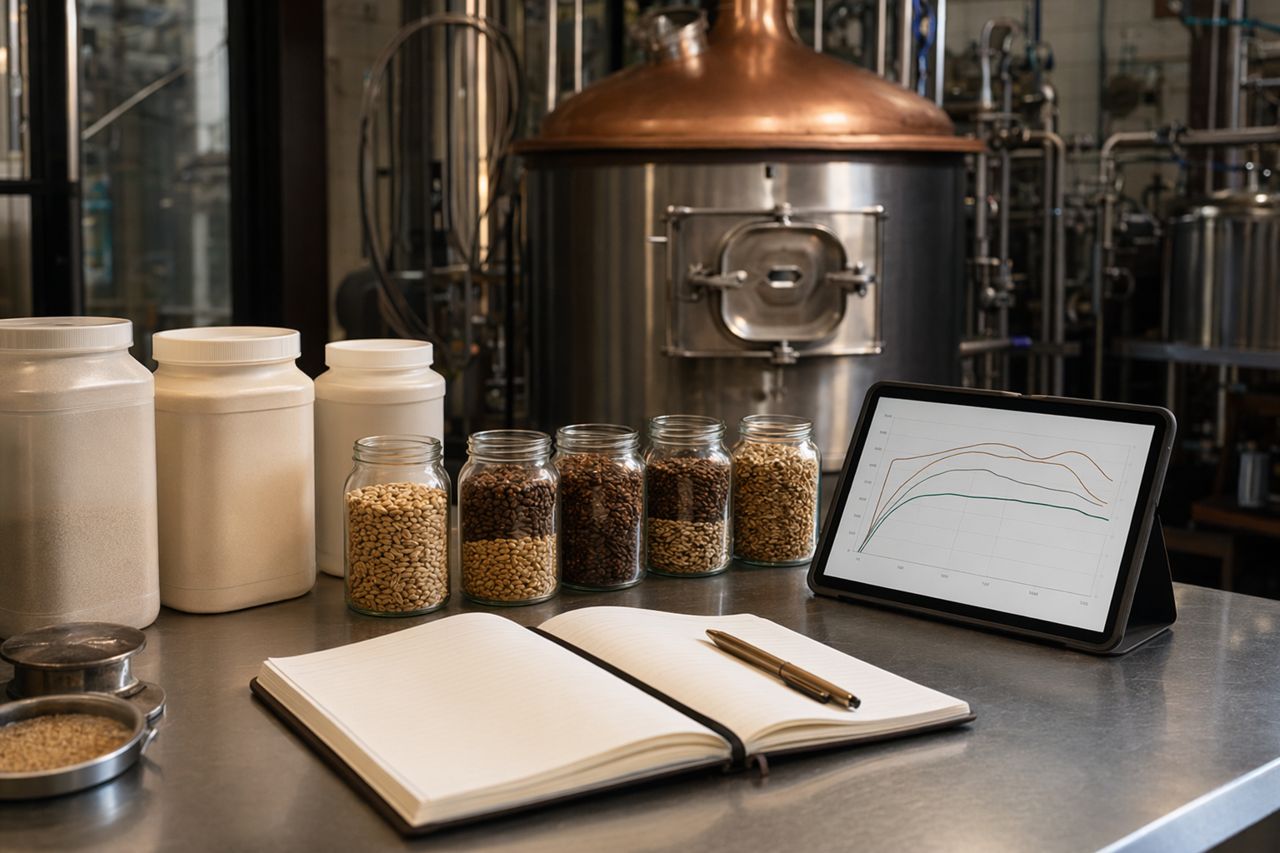
- Typical grist composition and adjunct share
- Whether you run a separate cereal cooker, and at what temperature
- Mash temperature profile and rest structure
- Expected quantity per order, order frequency, and delivery destination
If some details are still being worked out, that is fine. Start with the problem you are trying to solve and we will help narrow the options.
Request a quote
Ready to improve mash conversion, wort flow, or brewhouse consistency? Send Enzymecraft your production goal, the quantity you expect to buy and the destination, and we will respond with a recommendation and a quote.
Request a quote using the on-site form
Request a quote
Use the on-site form to tell us about your brewery, grist, mash challenge, and bulk supply needs.