Adjunct Sourcing for Small Breweries: Reliability, Flavor, Storage, and Process Risk
Adjuncts can be a useful lever for a small brewery: lower color, lighter body, higher extract, distinct grain character, seasonal variety, or better cost control. They can also create the kind of production variability that shows up in the brewhouse before it ever shows up in the taproom.
For a small team, adjunct sourcing is not just a purchasing task. It is a mash performance decision, a lautering decision, a fermentation decision, and a flavor protection decision.
Enzymecraft works as a brewing enzyme supplier for craft breweries that want practical support around adjunct-heavy recipes, high-viscosity grists, extract consistency, and repeatable attenuation without stripping away beer character.
Adjuncts Are Ingredients, But They Behave Like Process Variables
Base malt usually arrives with an expected modification profile and a known brewhouse behavior. Adjuncts are different. Two lots of the same adjunct can vary in moisture, particle size, starch accessibility, husk contribution, beta-glucan load, protein behavior, and flavor intensity.
That variability can affect:
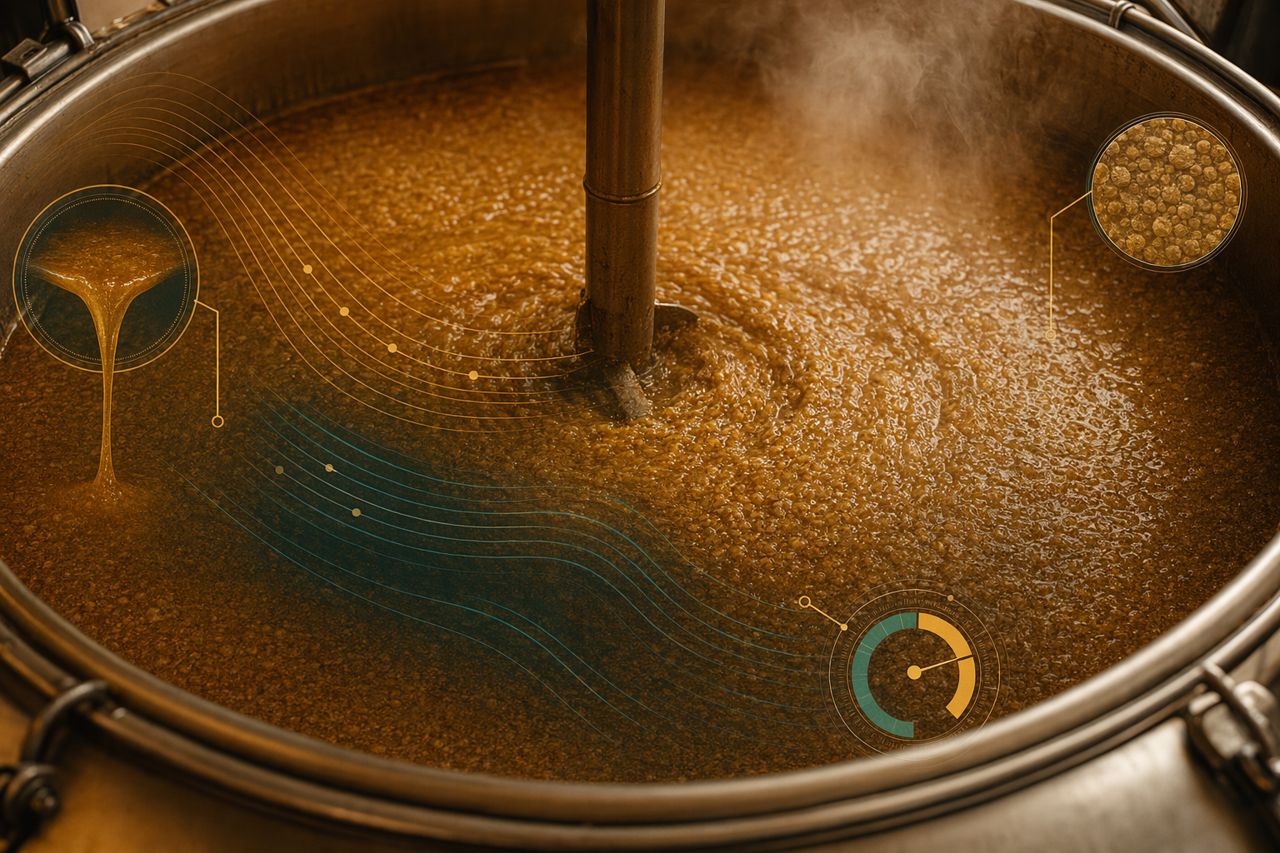
- Mash thickness and pumpability
- Conversion speed and extract recovery
- Lauter bed stability
- Wort clarity and kettle loading
- Fermentability and final gravity
- Haze, mouthfeel, and foam behavior
- Flavor balance and shelf consistency
The goal is not to avoid adjuncts. The goal is to buy and handle them with enough process awareness that the beer stays predictable.
Reliability: Buy for Brewhouse Behavior, Not Just Price
A low-cost adjunct can become expensive if it slows the mash, sticks the lauter, lowers extract, or forces corrective blending. When comparing suppliers, ask for information that helps the production team, not only the purchasing file.
Useful sourcing questions
- Is the adjunct whole, flaked, torrified, pre-gelatinized, milled, or flour-like?
- How consistent is particle size from lot to lot?
- Is there a typical moisture range and storage recommendation?
- Does the supplier provide crop year or lot traceability?
- Has the material been used in brewing at similar inclusion levels?
- Does it carry flavor that should be featured, or is it intended to stay neutral?
- Does the form require a cereal cooking step or a modified mash schedule?
For small breweries, the best adjunct is not always the cheapest bag. It is the one that behaves predictably inside your mill room, mash tun, lauter system, and fermentation plan.
Flavor: Decide Whether the Adjunct Is Supporting or Leading
Adjunct choice should begin with the beer target.
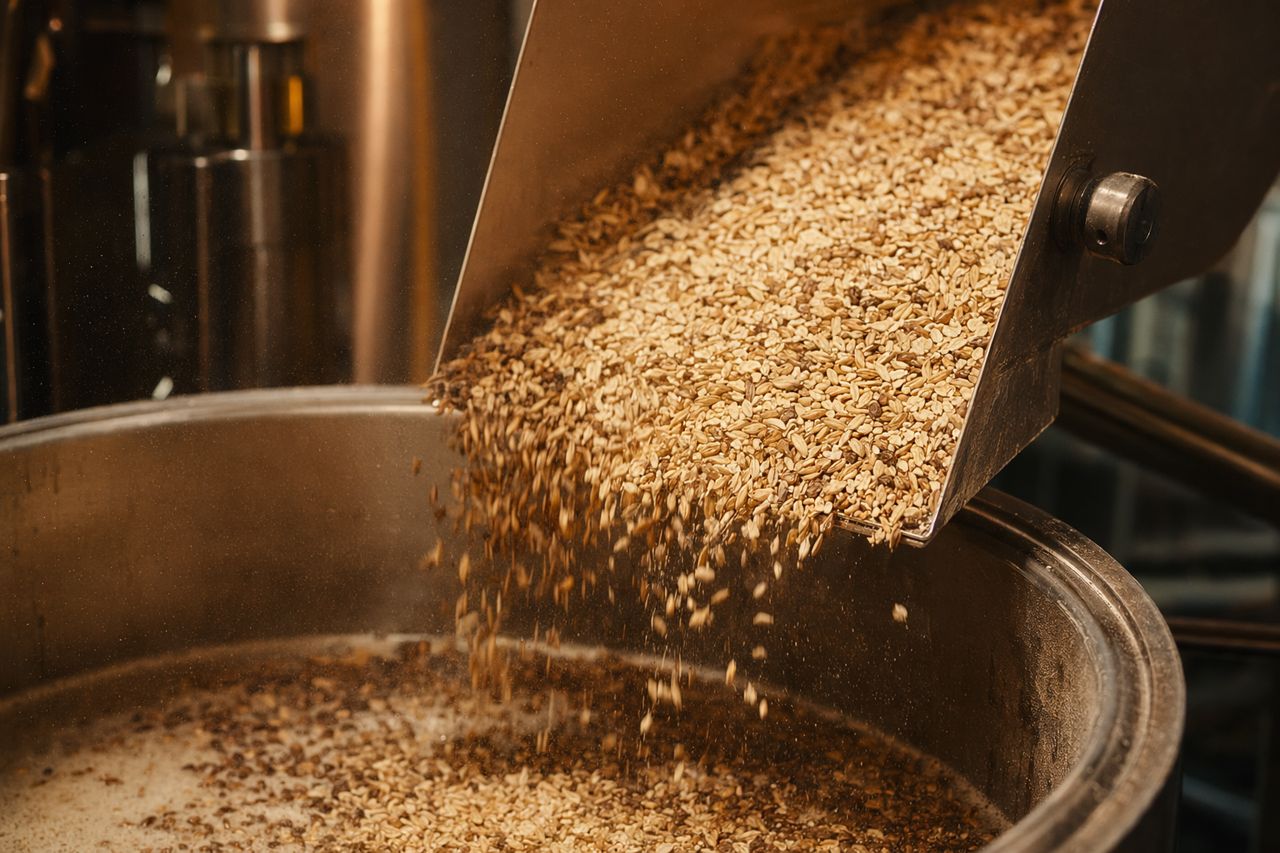
Rice and corn can lighten body and color. Oats can build plush mouthfeel and haze. Wheat can support foam, texture, and soft grain character. Rye can add spice and viscosity. Sorghum, millet, buckwheat, and other specialty grains can serve gluten-reduced or alternative grain programs, but they often need tighter process control.
Before buying, define the role:
- Neutral support: The adjunct improves drinkability, extract, color, or cost without becoming obvious.
- Texture builder: The adjunct contributes body, haze, or foam structure.
- Flavor marker: The adjunct is meant to be tasted and named.
- Brand story ingredient: The adjunct supports local sourcing, seasonal releases, or collaboration beers.
That decision affects everything else: source selection, inclusion rate, milling, mash rests, enzyme support, and quality checks.
Storage: Small Breweries Often Carry More Risk Than They Think
Adjunct storage is easy to underestimate. A brewery may turn base malt quickly while specialty adjuncts sit longer between releases. That creates risk around moisture pickup, oxidation, pests, clumping, flavor fade, and handling inconsistency.
Storage checks worth standardizing
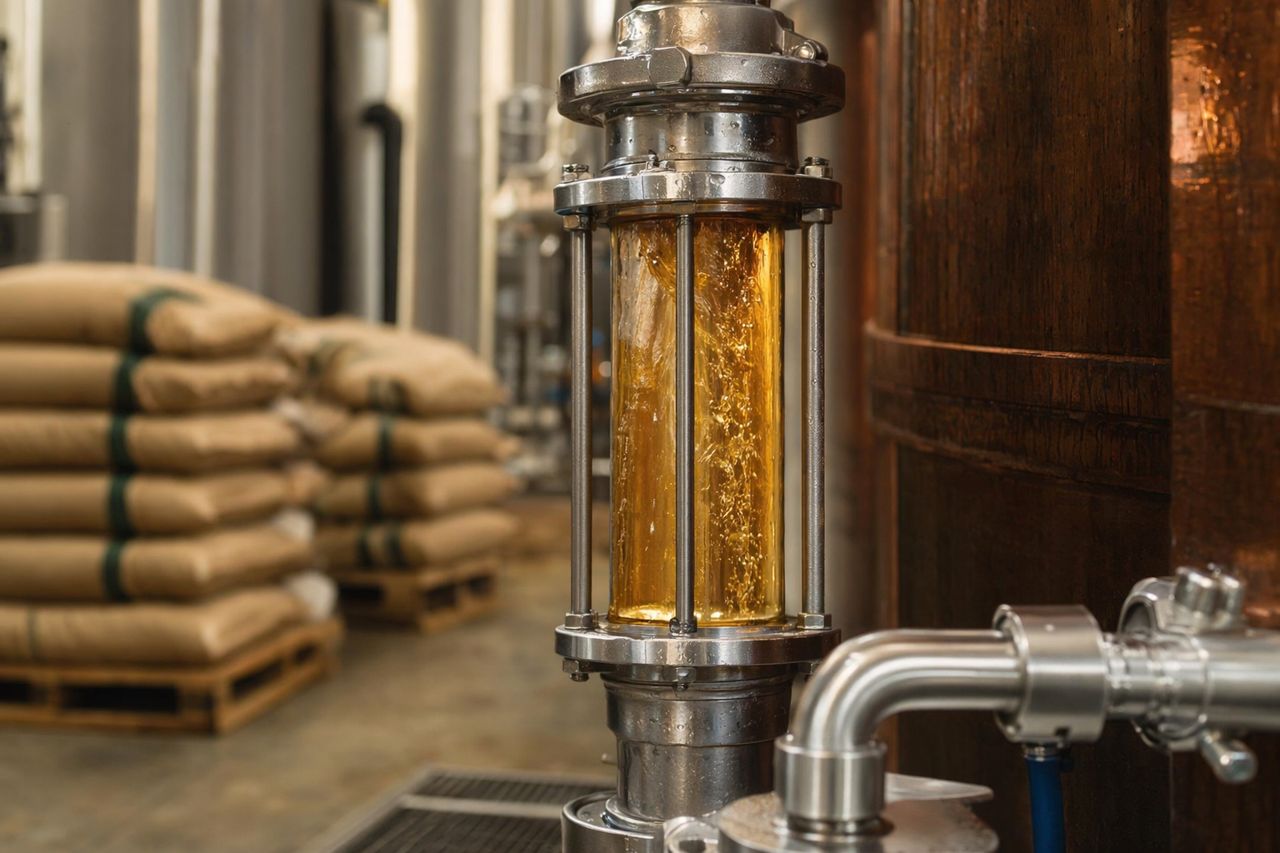
- Keep adjuncts dry, sealed, and off the floor.
- Rotate lot numbers deliberately, especially for seasonal beers.
- Inspect for aroma changes before grist-in.
- Watch for caking, dusting, clumps, or uneven flow.
- Avoid placing sensitive adjuncts near heat, steam, or open washdown zones.
- Document any lot that changes runoff speed, extract, or attenuation.
If the adjunct smells stale in the grain room, it is unlikely to become cleaner in the glass.
Process Risk by Adjunct Type
Different adjuncts create different operational concerns. A simple risk map helps the head brewer decide whether a recipe needs a mash adjustment, an enzyme assist, a supplier change, or a tighter receiving check.
Flaked oats and high-oat grists
Oats can create a soft, saturated mouthfeel, but high levels may increase mash viscosity and slow runoff. They can also make cellar consistency harder if fermentability drifts batch to batch.
Watch for: heavy mash, slow vorlauf, stuck runoff, low extract recovery, variable final gravity.
Wheat and raw wheat
Wheat can support foam and texture, but it can raise protein and arabinoxylan-related process load depending on form and inclusion rate.
Watch for: haze instability when not desired, slower lautering, higher trub, filtration stress.
Rye
Rye brings distinctive spice and body. It can also be one of the more challenging adjuncts for lauter performance.
Watch for: gummy mash, bed compaction, runoff slowdown, higher wort viscosity.
Corn and rice
Corn and rice are useful for lightness, crispness, and extract contribution, but format matters. Flaked or pre-gelatinized forms behave differently than raw or whole forms.
Watch for: incomplete starch access, low conversion efficiency, unexpected body, cereal cooker needs.
Alternative grains
Sorghum, millet, buckwheat, and similar grains can open new product directions, but they often bring unfamiliar gelatinization behavior, husk structure, and flavor signatures.
Watch for: unpredictable extraction, unfamiliar flavor carryover, modified mash schedules, supplier variability.
Where Brewing Enzymes Fit
Enzymes are not a shortcut around good malt, clean handling, or sound recipe design. They are process tools that help the brewer manage specific risks.
A practical enzyme strategy may support:
- Starch conversion when adjunct starch is less accessible
- Fermentability targets for dry, crisp, or lower-carbohydrate beer styles
- Viscosity reduction in oat, wheat, rye, or alternative grain mashes
- Faster and more consistent lautering
- Better extract recovery from challenging grists
- Batch-to-batch consistency when adjunct lots vary
As a brewing enzyme supplier for craft breweries, Enzymecraft focuses on matching enzyme function to the actual production problem: conversion, runoff, attenuation, yield, or consistency. The goal is to protect the beer, not flatten it.
A Simple Adjunct Qualification Run
Before moving an adjunct into a core recipe, run it like a production trial rather than a one-off experiment.
1. Record the lot and format
Note supplier, crop or lot reference, form, storage condition, and any aroma or handling observations.
2. Start with the beer target
Define expected gravity, body, attenuation, color, flavor contribution, haze target, and runoff expectation.
3. Track mash behavior
Document mash thickness, mixing quality, temperature stability, conversion progress, pumpability, and any bed compaction.
4. Watch the lauter
Compare vorlauf time, wort clarity, runoff speed, sparge behavior, and total collection time against your normal baseline.
5. Compare fermentation
Track apparent attenuation pattern, final gravity, flavor expression, and any change in yeast performance.
6. Decide the control point
If the beer tastes right but the process is unstable, the answer may be enzyme support, milling adjustment, mash schedule revision, or a tighter adjunct spec.
Supplier Selection: What a Small Brewery Should Ask
For adjunct suppliers:
- Can you provide consistent form and particle size?
- What storage conditions do you recommend?
- How do you manage lot traceability?
- Do brewers use this adjunct in similar grists?
- What changes should we expect between crop years?
For enzyme suppliers:
- Which mash or fermentation problem is this enzyme intended to solve?
- How does it affect lautering, fermentability, or extract recovery?
- Is it appropriate for our adjunct type and beer style?
- Will it protect the intended flavor and body?
- How should we evaluate it in a production trial?
Good suppliers should make the brewer more confident, not more dependent.
Practical Takeaway
Adjunct sourcing works best when purchasing and production are aligned. The bag price matters, but so do runoff time, extract consistency, fermentation predictability, flavor stability, and the labor required to keep a difficult grist moving.
If your brewery is increasing oats, wheat, rye, corn, rice, or alternative grains, build a sourcing plan that includes process checks and a clear enzyme strategy where needed.
Request a Quote
Planning an adjunct-heavy beer or trying to stabilize a difficult mash? Enzymecraft can help match enzyme function to your grist, brewhouse, and target beer profile.
Request a quote through our on-site form and tell us what you are brewing, what adjuncts you are using, and where the process is giving you trouble.