Brut IPA and Dry Beer: Glucoamylase for High-Attenuation Craft Recipes
A Brut IPA, an extra-dry lager or a highly attenuated saison lives or dies on final gravity. Malt enzymes alone leave dextrins the yeast cannot ferment, so the beer finishes sweeter and heavier than the style allows. Glucoamylase keeps working on those dextrins and turns them into glucose the yeast can finish, which is how breweries get a bone-dry beer on purpose instead of by luck.
This page is for head brewers and production managers putting a dry beer into regular production, and for brewing-supply distributors who stock glucoamylase for their brewery customers. Glucoamylase is supplied by quote; pack size, documents and delivery terms are confirmed per order.
Wholesale and bulk supply for breweries and resellers. Tell us the beer style, the batch size or quantity you expect to buy, whether you plan to add it in the mash or the fermenter, and the destination country. We reply with a recommendation and a quote. Request a quote
Built for Beers That Need a Dry, Complete Finish
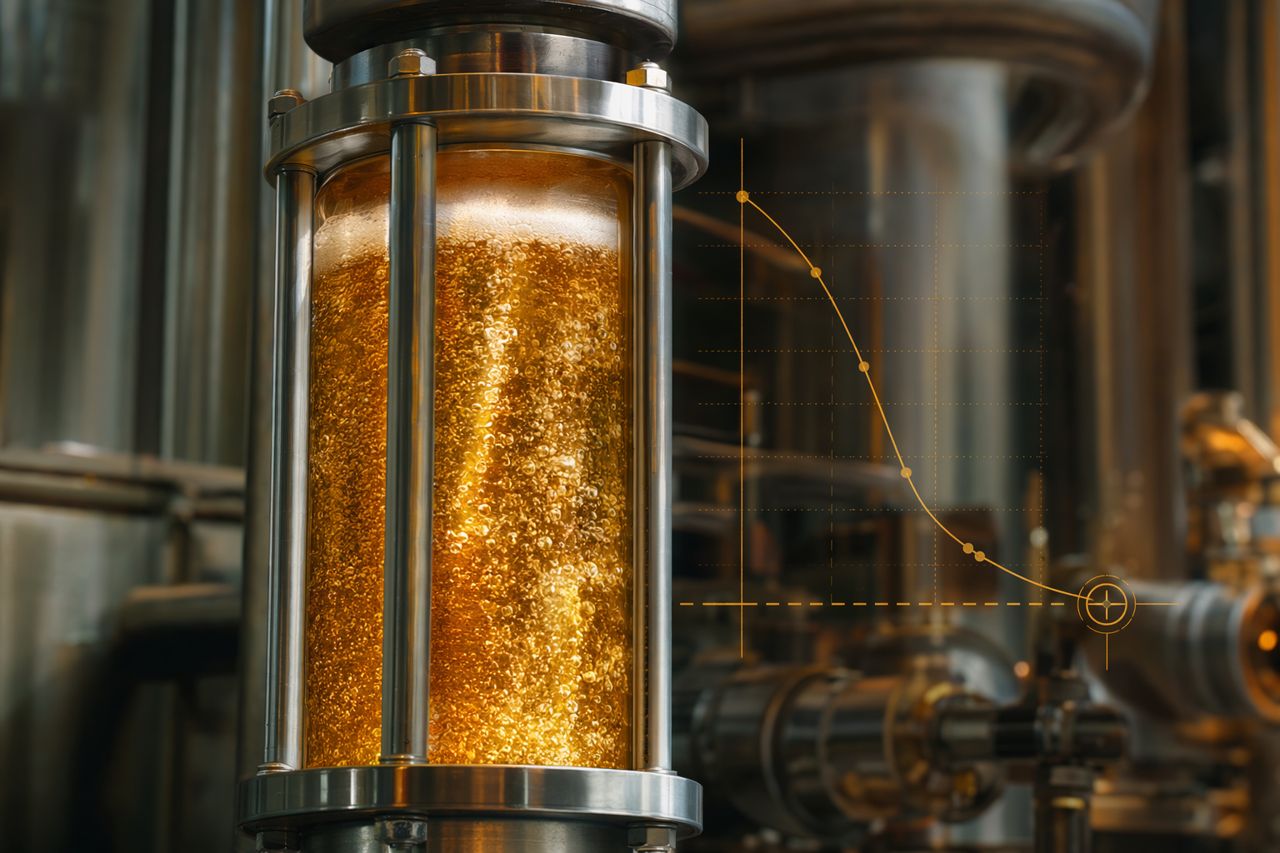
Glucoamylase breaks down longer-chain carbohydrates into fermentable glucose, supporting deeper attenuation and lower finishing gravity. For the head brewer, that means better control when a recipe needs a crisp, dry profile instead of residual body.
Use it when you need to:
- Drive Brut IPA or dry beer toward a very low final gravity
- Improve consistency across high-attenuation seasonal releases
- Reduce stalled or stubborn finishing gravity in validated recipes
- Increase fermentability in high-adjunct or highly modified grists
- Build a lean, crisp finish while protecting aroma and drinkability
What Glucoamylase Does in the Brewery
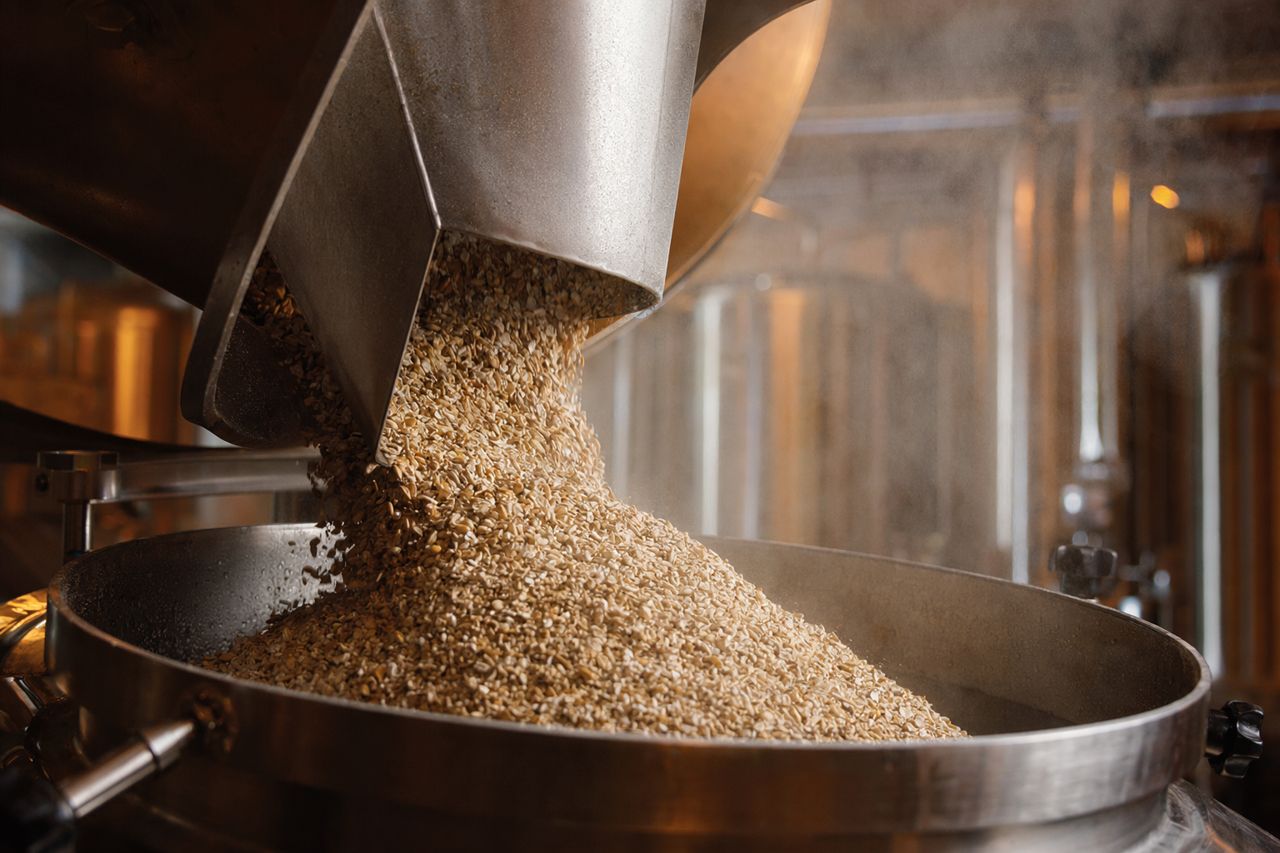
In a standard mash, alpha and beta amylase leave a mix of fermentable sugars and non-fermentable dextrins. Glucoamylase keeps working on those dextrin chains, releasing glucose from the ends of starch fragments. That extra fermentability gives yeast more usable extract and helps the beer finish drier.
For craft breweries, the value is not just a lower number on the hydrometer. It is a more predictable path from brewhouse target to finished beer spec.
Process Outcomes Brewers Care About
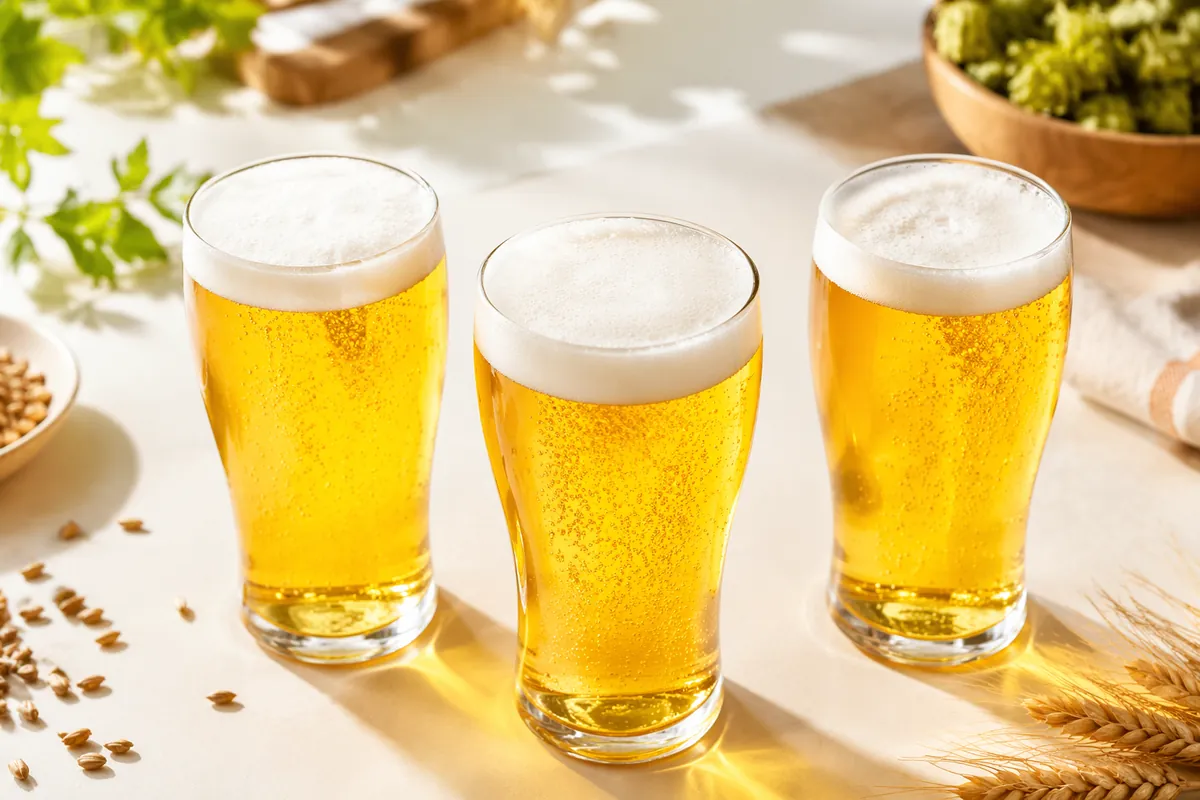
- Finishing gravity control: helps hit dry-beer targets with less batch-to-batch drift
- Fermentability lift: increases the portion of extract yeast can consume
- Yield support: gets more usable value from malt and adjunct starch
- Recipe consistency: reduces surprises when raw materials shift
- Flavor protection: supports dryness without heavy-handed reformulation
Where It Fits: Mash or Fermentation
Enzymecraft can help you decide whether glucoamylase belongs in the mash, the fermenter, or a controlled trial before full-scale release.
Mash Application
Adding glucoamylase in the mash can improve fermentability before wort reaches the fermenter. This can be useful when you want the brewhouse process to carry more of the attenuation strategy.
Best fit for:
- Planned dry-beer programs
- High-adjunct grists where fermentability needs support
- Breweries that want tight control before knockout
- Recipes already designed around lower body and crisp finish
Fermentation Application
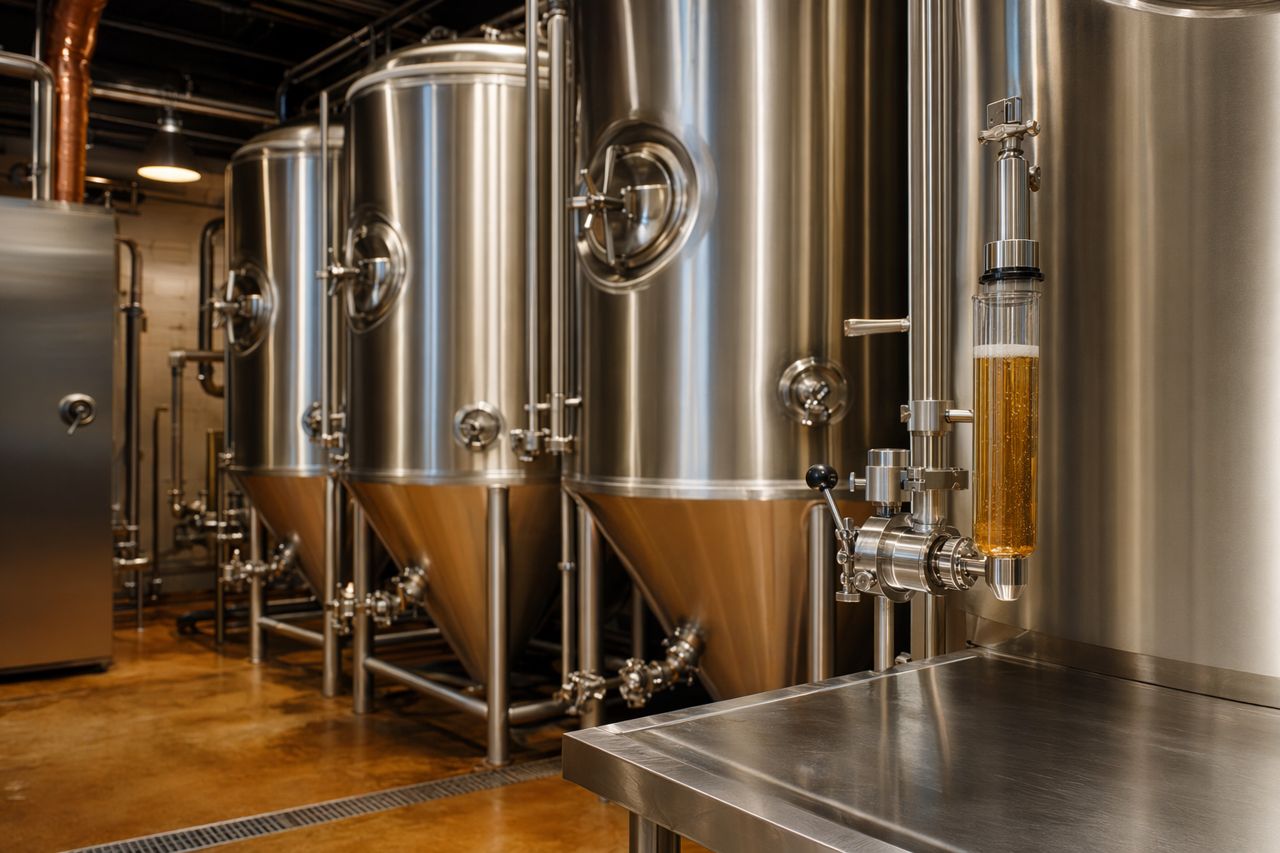
Using glucoamylase during fermentation can help push attenuation further when the beer style depends on a very dry finish. This approach requires disciplined gravity tracking and sensory review, especially for hop-forward beers where dryness can sharpen bitterness perception.
Best fit for:
- Brut IPA and ultra-dry specialty releases
- Troubleshooting beers that routinely finish above target
- Pilot batches where the attenuation profile is still being dialed in
- High-gravity recipes that need a cleaner finish
| Glucoamylase in the mash | Glucoamylase in the fermenter | |
|---|---|---|
| Where the dryness is set | In the brewhouse, before knockout | In the tank, during fermentation |
| Best for | Planned dry-beer programs, high-adjunct grists | Brut IPA and ultra-dry releases, beers finishing above target |
| What to watch | Mash temperature and rest time | Gravity tracking, bitterness perception, carbonation |
| Trial first | One batch against your current recipe | One batch against your current recipe |
Brut IPA: Dryness Without Losing the Beer
Brut IPA depends on dryness, but it still needs balance. Too much residual sugar and the style loses its defining snap. Too much dryness without recipe adjustment and hop bitterness can feel thin or sharp.
Enzymecraft helps breweries think through the full system:
- Mash profile and grist design
- Enzyme timing
- Yeast strain and attenuation behavior
- Hop load and perceived bitterness
- Carbonation target
- Final sensory balance
The goal is not just a low final gravity. The goal is a beer that drinks bright, clean, aromatic, and intentional.
Dry Beer and High-Attenuation Recipes
Glucoamylase is useful beyond Brut IPA. Breweries use it for dry lagers, crisp blonde ales, saisons, specialty low-residual-sugar beers, and experimental releases where a lean finish is the point.
It can also support production teams working through variation in malt, adjunct, or brewhouse performance. When fermentability shifts from batch to batch, a controlled enzyme strategy can help restore consistency without rewriting the whole recipe.
For Production Breweries and Distributors
Enzymecraft supplies glucoamylase to commercial brewing teams and to the distributors who serve them. We work by quote, not by retail checkout.
What a Quote Covers
- Practical guidance on mash or fermentation use
- A pilot-trial plan before full-scale adoption
- Pack size and delivery terms, confirmed per order
- Quote-based procurement for commercial and resale volumes
- For distributors: matching the product to what your brewery customers ask for
Questions to Answer Before You Scale
Before moving glucoamylase into a flagship or recurring seasonal, we recommend confirming a few process details:
- What final gravity range defines success for the beer?
- Is the dry finish coming from mash design, fermentation strategy, or both?
- How will increased attenuation affect bitterness, body, and carbonation?
- Does the yeast strain perform cleanly at the expected fermentability level?
- Will the beer be filtered, centrifuged, pasteurized, or otherwise stabilized?
- How will the team confirm the enzyme effect at pilot scale?
These answers help set the right production plan and avoid over-drying a beer that still needs structure.
Request a Quote
If you need glucoamylase for Brut IPA, dry beer or high-attenuation craft recipes, use the on-site form and include:
- Company name, country, and whether you brew or resell
- Target style and final gravity
- Brewhouse volume or the quantity you expect to buy per order
- Mash or fermentation application
- Delivery destination
We reply with a recommendation and a commercial quote.